A custom mold cold plunge program for brands and commercial buyers that need a differentiated tub body, system layout, and export-ready production path.
Product Overview
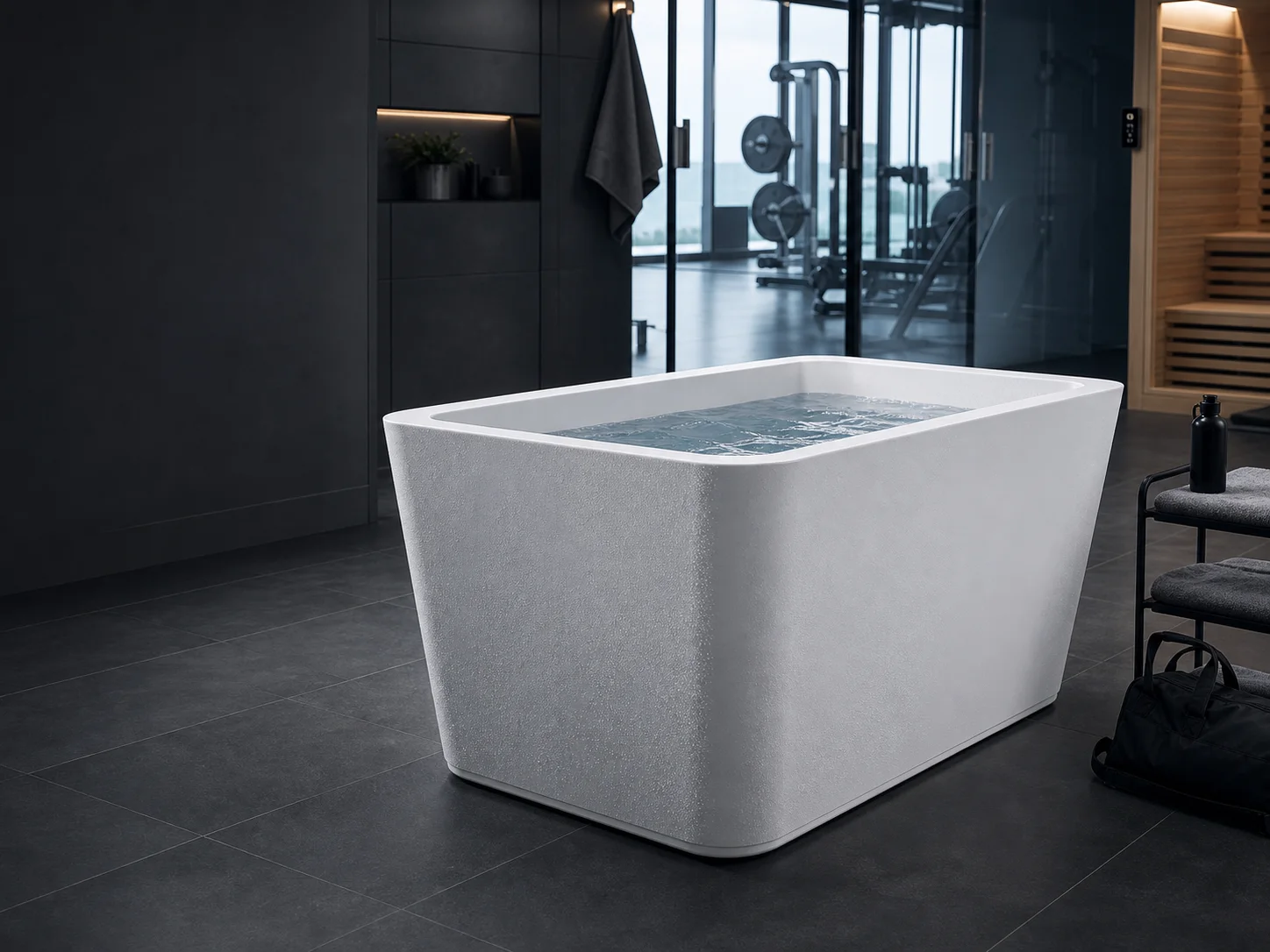
The Custom Mold Cold Plunge path is for buyers who want control over the product shape and user experience. Instead of choosing only from an existing catalog, the project can review target tub size, rim profile, corner radius, exterior surface, access panels, drainage, chiller integration, packaging, and launch documentation.
Configuration Review
| Tub Geometry | Length, width, depth, capacity, rim profile, corner radius, step-in comfort, and exterior visual language. |
|---|---|
| Chiller Fit | Cold-only or hot-cold planning, chiller capacity, hose routing, ventilation, service access, and voltage review. |
| Water Care | Filtration, sanitation planning, drainage, filter access, maintenance accessories, and spare-parts scope. |
| Brand Package | Logo location, color direction, packaging, manuals, catalog assets, and reseller documentation. |
| Quote Info Needed | Target dimensions, reference style, buyer type, annual volume, tooling expectation, destination market, and launch timeline. |
Why Buyers Choose Custom Mold
- Unique tub appearance and product ownership instead of a generic shared shape.
- Better control over service access, chiller integration, plumbing, and packaging.
- Stronger brand positioning for distributors, chains, and wellness equipment brands.
- Engineering review before tooling so mold, system, and export requirements are aligned.
Need tooling feasibility, mold modification review, or a new mold quote? Send your concept and volume plan.
Request Custom Mold QuoteFAQ
Does rotomolding require mold development?
Yes. Rotomolded tubs are produced with molds. Existing molds can support private label, while proprietary dimensions or exterior structure require mold modification or new mold development.
Can I start from an existing mold?
Yes. Existing mold private label is useful when speed and market testing matter. Custom mold development is better when brand differentiation and long-term product ownership matter.
What determines tooling cost?
Size, geometry, structural complexity, mold material, surface requirements, service-access details, sample revisions, expected volume, and production assumptions all affect tooling cost.