

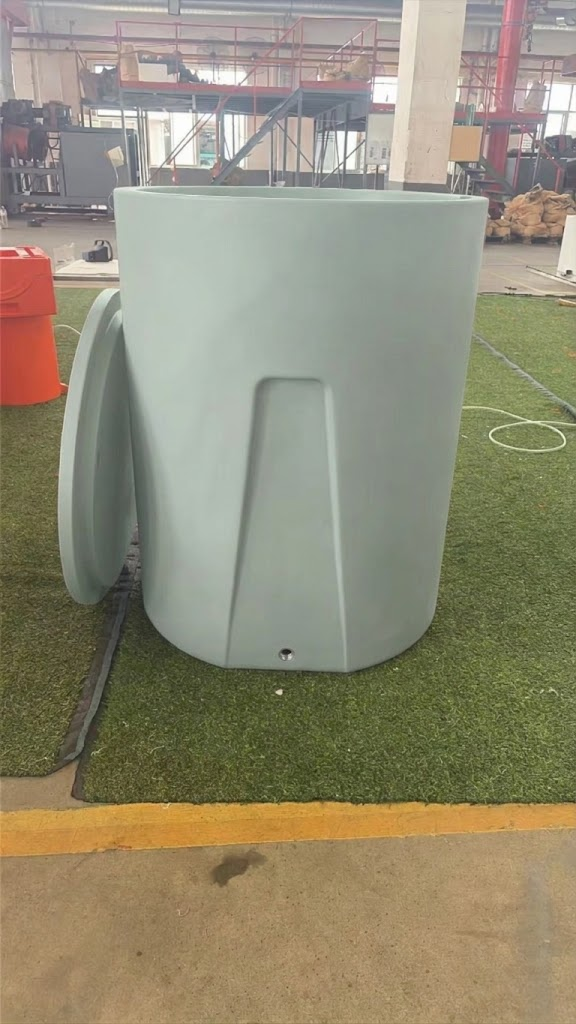
For wellness brands, commercial recovery centers, and distributors, selling a cold plunge system involves more than just selecting a durable tub. The seamless integration between the rotomolded ice bath and the water chiller unit is what dictates user experience, water purity, and long-term hardware reliability.
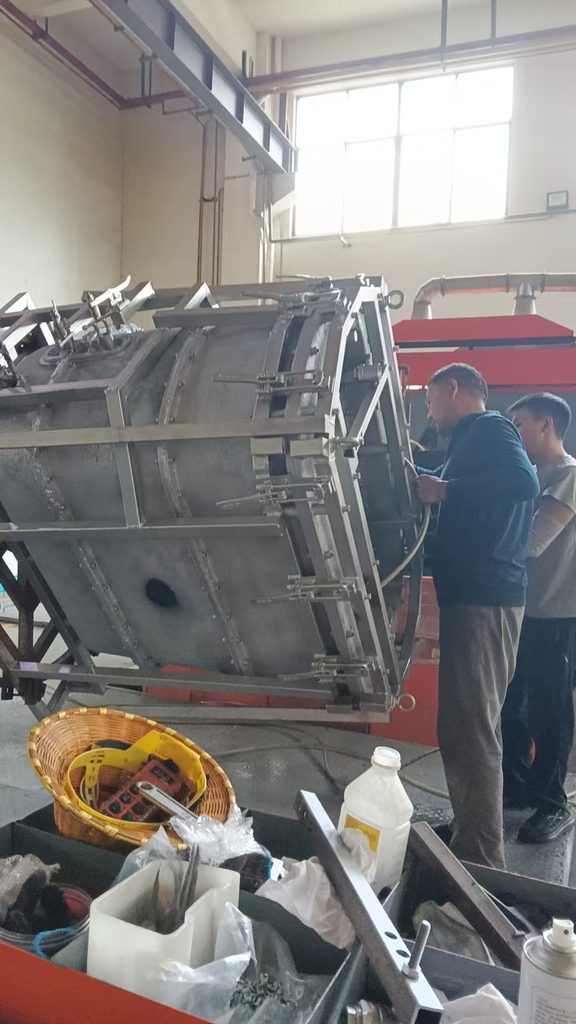
Incompatible plumbing size, improper pump flow rates, or inferior fittings can lead to airlocks, pump strain, leakage, or uneven cooling.
This engineering guide breaks down the critical technical factors B2B buyers must consider when pairing water chillers with commercial rotomolded cold plunges.
1. Quick-Connect Fittings & Port Sizing: Preventing Flow Bottlenecks
The connection point between the tub and the chiller is the first area where performance issues often arise.
Corrosion Resistance: Standard brass or cheap coated fittings deteriorate rapidly under harsh water treatments (such as chlorine, ozone, or high salt concentrations). High-grade 316 stainless steel ports or heavy-duty marine-grade quick-connects are non-negotiable for commercial durability.
Standardization Matters: Most commercial cold plunge setups utilize 1/2-inch or 3/4-inch quick-connect fittings. Ensuring exact thread match and wall-penetration alignment prevents high-pressure leaks and allows effortless setup for end consumers.
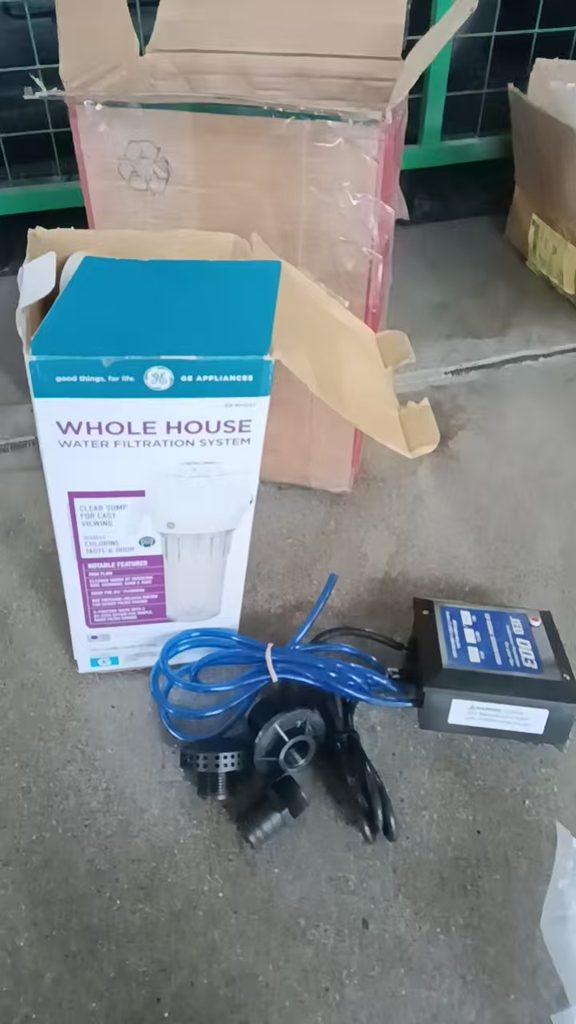
2. Water Circulation & Flow Rate Matching (Preventing Airlocks)
A common issue reported by end users is chiller error codes caused by inadequate water flow or cavitation inside the circulation pump.
Avoiding the “Airlock” Trap
If the internal plumbing layout within the double-walled rotomolded tub has improper slopes or sharp bends, air pockets can become trapped near the intake ports.
- Engineering Solution: Your tub’s internal port placement must leverage fluid mechanics, ensuring intake suction is low enough to prevent air intake while output ports facilitate natural thermal convection.
- Pump Capacity Alignment: Ensure the chiller’s internal or external circulation pump matches the tub’s total water volume. For standard commercial tubs (approx. 300L–400L), a pump flow rate of 1,500 L/h to 2,500 L/h is recommended to ensure rapid temperature drop and continuous filtration without overwhelming the heat exchanger.
3. Thermal Efficiency: How Insulation Reduces Chiller Load
The thermal performance of the tub shell directly determines how hard the chiller’s compressor needs to work.
- PU Foam Density: High-density Polyurethane (PU) insulation injected between double-walled Linear Low-Density Polyethylene (LLDPE) shells acts as a thermal barrier against ambient outdoor temperatures.
- Lower Operating Costs: A well-insulated rotomolded tub keeps water cold significantly longer. This prevents compressor frequent cycling (turning on and off constantly), saving up to 40% in electricity consumption and extending the operational lifespan of the chiller compressor.
4. Integrated Filtration, Ozone, and Safety Lock System
When specifying a complete OEM setup, your plumbing design should seamlessly integrate sanitation hardware:
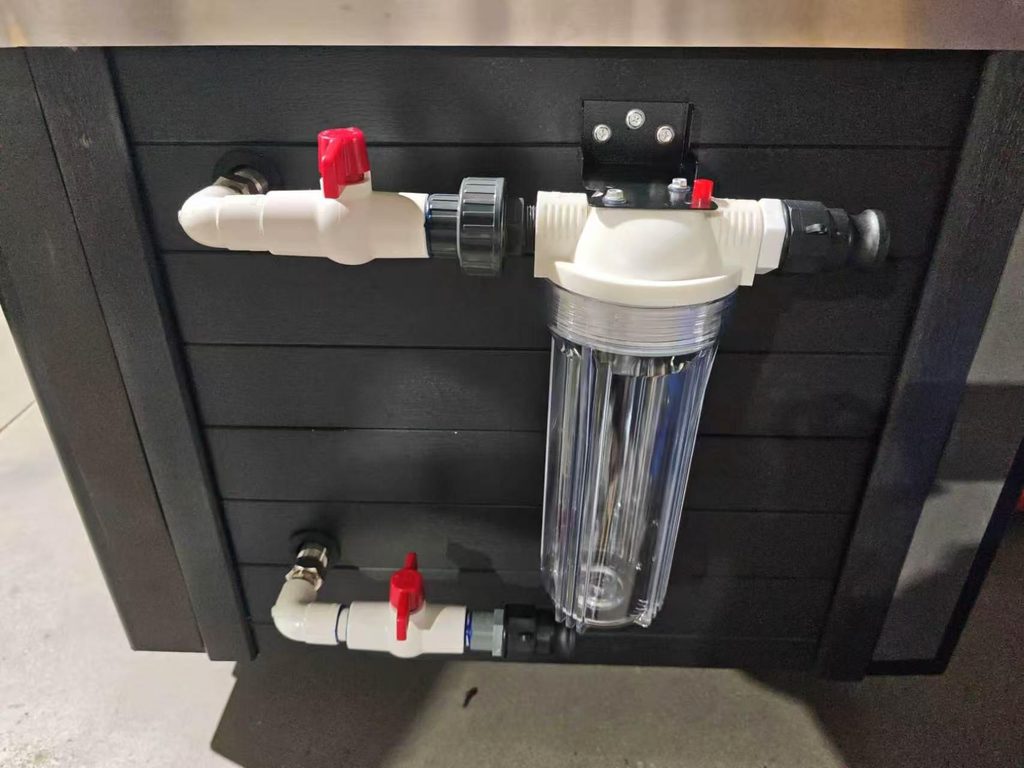
Dual-Stage Filtration Brackets: Pre-filtration captures hair and debris before reaching the chiller heat exchanger.
Ozone / UV Sanitizer Placement: Water returning from the chiller should pass through inline sanitation modules to keep water crystal clear without degrading tub material.
Streamline Your Cold Plunge OEM Projects with Poplunge.
Streamline Your Cold Plunge OEM Projects with Poplunge
At Poplunge, we engineer both double-walled rotomolded ice baths and integrated plumbing systems engineered for seamless compatibility with global chiller standards. From pre-molded fitting recesses to high-spec 316 stainless steel connections, we ensure your commercial product line performs flawlessly right out of the box.
Looking to build a complete chiller & tub solution for your brand?
Contact the engineering team at Poplunge today to get detailed CAD specs and custom OEM quotes.