

Selecting the right tub shell material is the most critical hardware decision for commercial wellness facilities, recovery centers, and private-label brands. While inflatable PVC, acrylic, and stainless steel all serve specific market segments, rotomolded polyethylene (LLDPE) has rapidly become the industry standard for durability, thermal retention, and long-term ROI.
Material Comparison Matrix
| Feature / Metric | Rotomolded Polyethylene (LLDPE) | Inflatable Drop-Stitch PVC | Acrylic (Fiberglass Reinforced) | Stainless Steel (304/316) |
| Durability & Impact | Exceptional (Impact-resistant, UV-stable) | Moderate (Prone to punctures/leaks) | Moderate (Prone to cracking/chipping) | High (Prone to scratches/denting) |
| Thermal Insulation | Double-wall hollow / PU foam filled | Single/Double air wall (Minimal) | External spray foam required | Low (Conducts heat rapidly) |
| Outdoor Weathering | All-weather, no warping or fading | Sun degrades glue/PVC over time | UV can cause surface crazing | Resists rust, but hot/cold to touch |
| Logistics & Freight | Rigid shell, high stackability | Ultra-compact, lowest shipping cost | High risk of transit damage | Heavy, higher freight costs |
| Ideal Application | Commercial gyms, outdoor spas, OEM brands | Portable/Entry-level retail | Luxury indoor installations | Medical/High-end architecture |
1. Rotomolded Polyethylene (LLDPE): The Heavy-Duty Workhorse
- Seamless Construction: Rotational molding creates a stress-free, one-piece monolithic body with zero seam welds or glued joints, eliminating leak risks.
- Thermal Efficiency: Double-wall architecture allows high-density polyurethane (PU) foam filling. This reduces heat gain by up to 40%, significantly cutting the workload and energy consumption of paired chillers.
- Low Maintenance: Highly resistant to ozone, chlorine, and UV degradation. Ideal for high-traffic commercial settings and harsh outdoor conditions.
2. Inflatable Drop-Stitch PVC: Portability Over Longevity
- Best suited for budget-conscious consumers and mobile athletes who prioritize portability.
- High vulnerability to sharp objects, seam delamination, and pressure drops over extended commercial usage.
3. Acrylic & Fiberglass: Aesthetic Appeal with Fragility Risks
- Offers a glossy, modern bathtub appearance popular in boutique indoor settings.
- Brittle shell structure requires careful handling during transit and installation; repairs for hairline cracks are complex and costly.
4. Stainless Steel: Industrial Look with Thermal Challenges
- Provides an ultra-hygienic, premium aesthetic.
- Metal conducts ambient temperatures rapidly, requiring extensive external insulation to prevent internal water condensation and chiller overuse.
B2B Sourcing Recommendation
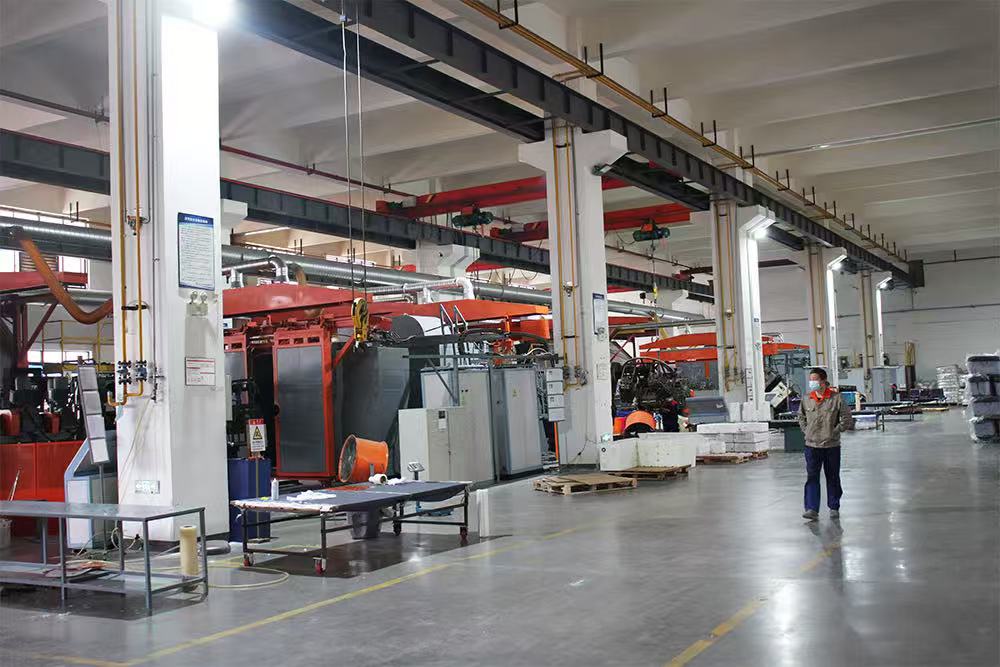
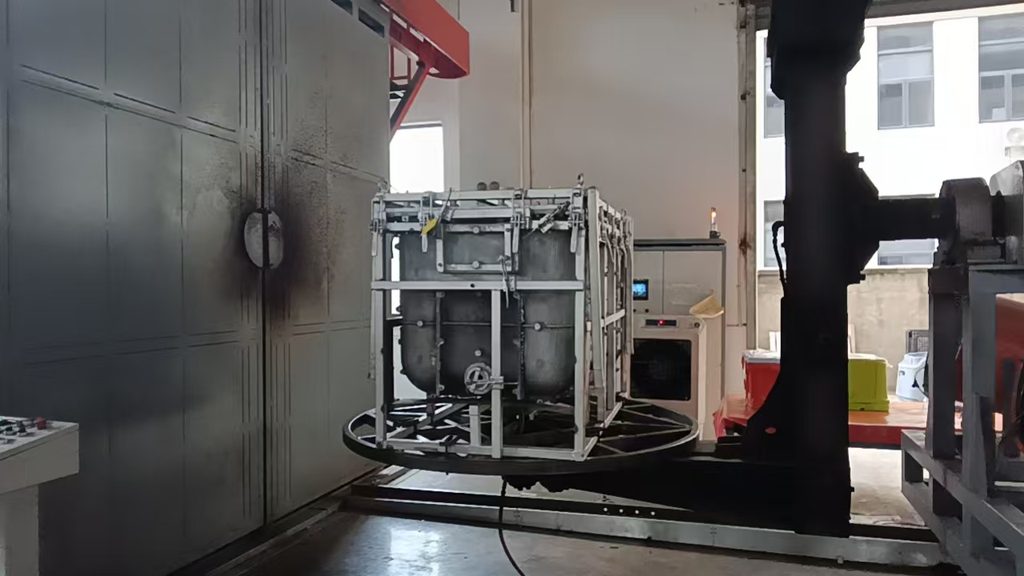
For commercial projects, rental operations, and private-label lines requiring minimal warranty claims, rotomolded tubs deliver the lowest total cost of ownership. They withstand continuous commercial cycling, integrate seamlessly with high-flow chillers, and resist outdoor weather year-round.
Need custom mold engineering, branding options, or spec sheets for your cold plunge line? Contact our team today to get a quote.